Showing posts with label healthy diet. Show all posts

Saturday, 13 May 2017

Brain Foods That Help You Concentrate

  
Ginseng, Fish, Berries, or Caffeine?

Listen to the buzz about foods and dietary supplements, and you'll believe they can do everything from sharpen focus to enhance memory, attention span, and brain function.

But do they really work? There's no denying that as we age, our body ages right along with us. The good news is that you can improve your chances of maintaining a healthy brain if you add "smart" foods and drinks to your diet.

Caffeine Can Make You More Alert
There's no magic bullet to boost IQ or make you smarter -- but certain substances, like caffeine, can energize you and help you concentrate. Found in coffee, chocolate, energy drinks, and some medications, caffeine gives you that unmistakable wake-up buzz, though the effects are short-term. And more is often less: Overdo it on caffeine and it can make you jittery and uncomfortable.


Sugar Can Enhance Alertness
Sugar is your brain's preferred fuel source -- not table sugar, but glucose, which your body processes from the sugars and carbs you eat. That's why a glass of something sweet to drink can offer a short-term boost to memory, thinking, and mental ability.

Have too much, though, and memory can be impaired -- along with the rest of you. Go easy on the sugar so it can enhance memory without packing on the pounds.

Eat Breakfast to Fuel Your Brain
Tempted to skip breakfast? Studies have found that eating breakfast may improve short-term memory and attention. Students who eat it tend to perform better than those who don’t. Foods at the top of researchers' brain-fuel list include high-fiber whole grains, dairy, and fruits. Just don't overeat; researchers also found high-calorie breakfasts appear to hinder concentration.
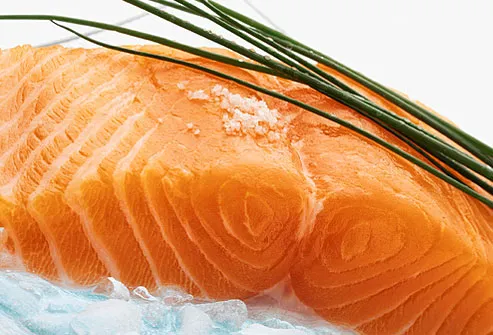


Skinned salmon fillet on crushed ice with chives
Fish Really is Brain Food
A protein source linked to a great brain boost is fish -- rich in omega-3 fatty acids that are key for brain health. These healthy fats have amazing brain power: A diet with higher levels of them has been linked to lower dementia and stroke risks and slower mental decline; plus, they may play a vital role in enhancing memory, especially as we get older.  For brain and heart health, eat two servings of fish weekly.


Add a Daily Dose of Nuts and Chocolate
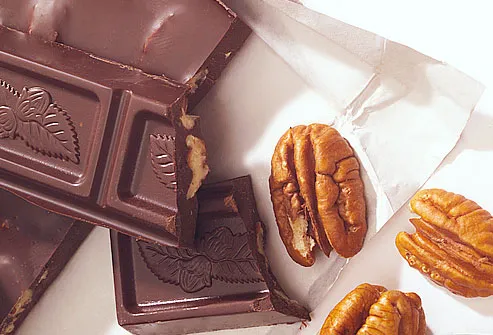
Bar of chocolate beside pecans
Nuts and seeds are good sources of the antioxidant vitamin E, which has been linked in some studies to less cognitive decline as you age. Dark chocolate also has other powerful antioxidant properties, and it contains natural stimulants like caffeine, which can enhance focus.

Enjoy up to an ounce a day of nuts and dark chocolate to get all the benefits you need with a minimum of excess calories, fat, or sugar.


Add Avocados and Whole Grains
Every organ in the body depends on blood flow, especially the heart and brain. A diet high in whole grains and fruits like avocados can cut the risk of heart disease and lower bad cholesterol. This reduces your risk of plaque buildup and enhances blood flow, offering a simple, tasty way to fire up brain cells.

Whole grains, like popcorn and whole wheat, also contribute dietary fiber and vitamin E. Though avocados have fat, it's the good-for-you, monounsaturated fat that helps with healthy blood flow.
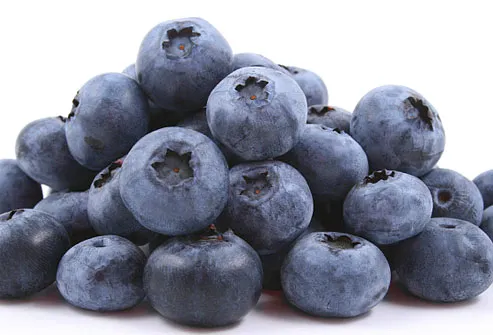
pile of fresh blueberriesBlueberries Are Super Nutritious

Research in animals shows that blueberries may help protect the brain from the damage caused by free radicals and may reduce the effects of age-related conditions such as Alzheimer's disease or dementia. Studies also show that diets rich in blueberries improved both the learning and muscle function of aging rats, making them mentally equal to much younger rats.    

Benefits of a Healthy Diet
It may sound trite but it's true: If your diet lacks essential nutrients, it can hurt your ability to concentrate. Eating too much or too little can also interfere with your focus. A heavy meal may make you feel tired, while too few calories can result in distracting hunger pangs.

Benefit your brain: Strive for a well-balanced diet full of a wide variety of healthy foods.

Vitamins, Minerals, and Supplements?
Store shelves groan with supplements claiming to boost health. Although many of the reports on the brain-boosting power of supplements like vitamins B, C, E, beta-carotene, and magnesium are promising, a supplement is only useful to people whose diets are lacking in that specific nutrient.
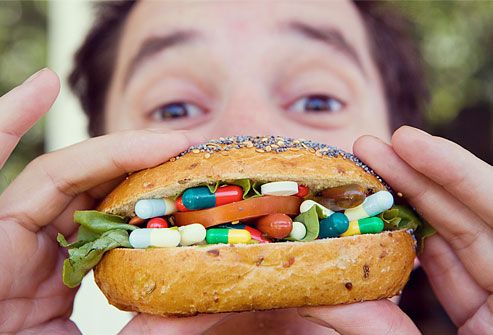
Man eating sandwich of pills and capsules
Some researchers are cautiously optimistic about ginseng, ginkgo, and vitamin, mineral, and herb combinations and their impact on the brain, but more proof is still needed.

Check with your doctor.

Get Ready for a Big Day
Want to power up your ability to concentrate? Start with a meal of 100% fruit juice, a whole-grain bagel with salmon, and a cup of coffee. In addition to eating a well-balanced meal, experts also offer this advice:
  • Get a good night's sleep.
  • Stay hydrated.
  • Exercise to help sharpen thinking.
  • Meditate to clear thinking and relax.
Want more healthy recipes, videos and articles like this? Join me to receive 'inspiration in your inbox' - http://tiny.cc/join-me

Article and Images - Source

Tuesday, 2 May 2017

The Benefits of Greek Yogurt and Why It Deserves to Be Called a Superfood

There's a lot more going on with Greek yogurt than just using it to fill up your morning parfait or smoothie bowl.

The word "superfood" gets thrown around a lot these days, but Greek yogurt definitely qualifies. Here's why nutritionists and protein fiends alike have fallen head-over-heels for yogurt's creamier, tarter cousin.

It's more nutritious than regular yogurt.

Yogurt gets its "Greek" label when it has been strained to get rid of whey, which is the liquid that's left over after the curdling process. Without whey, yogurt takes on a thicker, creamier consistency with a higher concentration of protein and good-for-your-gut probiotics (another bonus: less sugar). Dannon Light & Fit Greek yogurt, for instance, has 22 grams of protein and 9 grams of sugar in a one-cup serving, which trumps the 7 grams of protein and 13 grams of sugar in the same amount of the brand's regular nonfat vanilla yogurt. That high protein count is one of the benefits of Greek yogurt for vegetarians.

It helps you feel fuller, longer.

Digging into Greek yogurt as an afternoon snack can reduce hunger pangs and keep you from feeling ready for dinner when it's only 5 p.m., finds a study published in the journal Appetite. Study participants snacked on Greek yogurt with varying amounts of protein three hours after lunch for three days straight. The group that ate yogurt with the highest amount of protein (24 grams per serving) reported feeling fuller and didn't feel hungry enough for dinner until almost an hour later than the group who ate lower-protein yogurt.

Fat-free versions offer about the same nutrients as full-fat options, but only a fraction of the calories.

While nutritionists may warn you against fat-free and reduced-fat foods, as they often amp up their sugars to make up for lack of flavor from the fat, Greek yogurt is an exception. If you're watching your calorie intake, reach for Greek yogurt with 0 percent fat. It generally has a comparable amount of protein, sugar, probiotics, and calcium, but usually just a fraction of the calories. You might have to sacrifice a bit of the thick consistency, though. Full-fat versions tend to be denser than those that are low in fat or fat-free, according to a study published in the Journal of Dairy Science.

It keeps your digestive system running smoothly.

You can thank the probiotics for that. The beneficial microorganisms are naturally found in Greek yogurt and have been shown to keep your tummy happy by easing lactose intolerance, constipation, diarrhea, and IBS. Yogurt also helps more serious gut issues like Chron's disease and ulcerative colitis. Search for the phrase "live and active bacteria cultures" in the ingredient list or look for the National Yogurt Association's Live & Active Cultures seal, which means the product has at least 100 million live cultures per gram (which is a good thing). Probiotics aside, there are plenty additional benefits of Greek yogurt. Check out 10 more of them here.

It can help keep your weight in check.

A 2012 study published in the journal Annals of Epidemiology tracked the diets, weight, and waist circumferences of more than 3,000 people and found that while everyone's weight and waists increased over time, those who ate yogurt tended to stay trimmer than those who avoided it.

There are some imitators out there.

The ingredient list on a real Greek yogurt might look complicated because of the hard-to-pronounce probiotics, but it should generally be short and include just milk and the bacteria names. Some brands try to side-step the straining process and just throw in a bunch of thickening ingredients instead. If you're looking for real Greek yogurt made the traditional way, beware of fakes that have ingredients lists that include things like pectin, cornstarch, and xanthan gum.

It can be used as a healthy substitute in recipes or enjoyed on its own.

You might not be a fan of the tangy, slightly sour taste of plain Greek yogurt, but that's exactly what makes it a seamless substitute for condiments like sour cream and mayo. Add a dollop of Greek yogurt to soup or chili, or use it to create a healthy but creamy dressing or dip. (You'll see just how versatile it is as a cooking ingredient in these 10 yogurt-based recipes.) Greek yogurt also adds a creamy protein punch to your smoothie.  Or you could eat it solo and spoon natural sweeteners like honey or berries on top for a healthy treat that tastes surprisingly decadent.

Some studies suggest too much high-fat dairy can threaten your health.

A 2013 study from Kaiser Permanente researchers found high-fat dairy could negatively affect breast cancer patients, likely because dairy products contain high amounts of estrogen. The study followed breast cancer patients for an average of 12 years and found those who ate one or more servings of high-fat dairy (such as yogurt, milk, ice cream, or cheese) a day had a 64 percent higher chance of dying from any cause. Low-fat versions, however, appear to be OK.

Want more videos, articles and updates like this? Join me to get 'inspiration in your inbox' - http://tiny.cc/join-me


Article source

Tuesday, 7 March 2017

Great Food Combinations for Losing Weight

Power Pairs
When it comes to slimming down, two (or more) foods can be better than one. That’s because each has different nutrients that work together. As a team, they can help you fend off hunger, stay full longer, and burn fat or calories better than they would solo.
Avocado and Dark Leafy Greens
A spinach or kale salad is low in calories and high in nutrients, but it can leave you wanting more. To make it more filling, top it with avocado. One study showed that people who had lunches that included the green fruit felt 23% more satisfied afterward than those who didn’t. That’s because it has a kind of good fat (monounsaturated) that staves off hunger. Bonus: Avocado also helps your body absorb more of the veggies’ disease-fighting antioxidants.
Chicken and Cayenne Pepper
Chicken breasts are known to be good for weight loss, and for good reason. One breast serves up 27 grams of protein for fewer than 150 calories. Protein takes longer to digest, and that can keep you full longer. Spice up this dinner staple with a rub or sauce made with cayenne pepper. It may boost your calorie burn and make you less hungry.
Oatmeal and Walnuts
A simple way to slim down: Eat the rough stuff. Simply adding more fiber to your diet can lead to weight loss. That’s because your body can’t break down fiber, so it slows down digestion and takes up space in your stomach. With 4 grams of fiber per cup, oatmeal can be a good source. Walnuts add another 2 grams, plus satisfying protein and crunch.
Eggs, Black Beans, and Peppers
Start your day with this protein-packed scramble. According to research in the Journal of the American College of Nutrition, people who had eggs for breakfast ate 22% fewer calories at lunch -- and less the entire day -- than those who had a bagel. Black beans and peppers make this morning meal even more filling, thanks to a double dose of fiber. 
Bean and Vegetable Soup
Add a broth-based vegetable soup to your lunch or dinner. The liquid fills your stomach, leaving less room for higher-calorie foods. One study showed that people who started with soup ate 20% fewer calories during a meal. Stirring in beans, such as chickpeas or black beans, can give it more staying power because they’re high in protein and fiber. In fact, eating 3 cups of beans a week has been shown to boost weight loss. 
Steak and Broccoli
Too tired to hit the gym? This meal can help you out. Beef is rich in protein and iron, which your body uses to build red blood cells. They take oxygen to your organs, so falling short in those can zap your energy. Broccoli is the perfect side, because its vitamin C helps your body take in iron. A half-cup of this veggie has 65% of all the vitamin C you need in a day.
Green Tea and Lemon 
If you need a pick-me-up, brew some green tea. The low-calorie drink is packed with antioxidants called catechins, which may help you burn more calories and fat. Japanese scientists found that people who drank a bottle of tea high in catechins each day shed more fat after 2 weeks than those who didn’t. To make it even healthier, add a squeeze of lemon -- it helps your body absorb them.
Salmon and Sweet Potato    Fish is often called “brain food,” but it’s also good for your waist. Its omega-3 fats may help you lose body fat, and salmon is a top source. Plus, one 3-ounce serving packs in 17 grams of protein. Serve it with a baked sweet potato for a filling yet light meal. A 5-inch-long spud has 4 grams of fiber and just 112 calories.
Yogurt and Raspberries
This creamy treat may help turn up the fat burn. Research suggests that people who get more calcium and vitamin D as part of a weight loss plan shed more fat than those who don’t. So, look for a vitamin D-fortified yogurt, which serves up about 35% of all the calcium you need in a day. Top it with half a cup of raspberries for sweetness and 4 grams of fiber.
Mushrooms and Ground Beef
You can eat burgers and lose weight -- the key is to swap at least 50% of the meat for chopped or ground mushrooms. With only 16 calories a cup, they can lighten any dish made with ground beef without skimping on flavor. They may also help keep your blood sugar levels steady, which helps curb cravings.
Olive Oil and Cauliflower
At just 27 calories a cup, cauliflower is a diet-friendly food. It’s also low on the glycemic index (GI), a measure of how much a food raises your blood sugar. One study showed that low-GI vegetables led to more weight loss than starchier ones, such as peas and corn. Drizzle chopped cauliflower with olive oil and roast it -- this brings out the flavor, and olive oil’s fats can curb your appetite by making you feel full.
Pistachios and an Apple
Need a midday snack? This combo offers protein, healthy fats, and fiber to fend off hunger. With about 160 calories for 50 of them, pistachios are one of the lowest-calorie nuts. Plus, they’re usually packaged in their shells, which can slow you down and keep you from munching mindlessly. The apple adds sweetness and crunch to your treat, along with 4 grams of fiber.
Fish, Whole-Wheat Tortilla, and Salsa
One of the top reasons weight loss efforts fail is taste. Eating bland foods at every meal can lead to a junk food binge. So it’s important to have healthy, flavorful dishes in your lineup. Fish tacos are a perfect example: Make them with white fish for lean protein and a whole-wheat tortilla for fiber. Top them with some salsa for extra vitamins.  
Dark Chocolate and Almonds
Swearing off sweets sounds like a good way to drop pounds, but it can backfire. Nixing them altogether can lead to overeating. With about 7 grams of sugar per ounce, dark chocolate is one dessert you can feel good about eating. Pairing it with high-protein almonds keeps your blood sugar levels steady, and that can keep you satisfied longer.

Thursday, 23 February 2017

Antioxidants - An Overview (featuring a Q&A with a Nutritionist)

What are antioxidants?

Antioxidants protect the body from damage caused by harmful molecules called free radicals. Many experts believe this damage is a factor in the development of blood vessel disease (atherosclerosis), cancer, and other conditions.

You are exposed to free radicals:
  • Through by-products of normal processes that take place in your body (such as the burning of sugars for energy and the release of digestive enzymes to break down food).
  • When the body breaks down certain medicines.
  • Through pollutants.
Antioxidants include some vitamins (such as vitamins C and E), some minerals (such as selenium), and flavonoids, which are found in plants. The best sources of antioxidants are fruits and vegetables. You can find flavonoids in fruits, red wine, and teas. You can also buy antioxidant supplements. It is best to obtain antioxidants from a healthy diet.

What are antioxidants used for?

Antioxidants may play a role in the management or prevention of some medical conditions, such as some cancers, macular degeneration, Alzheimer's disease, and some arthritis-related conditions.

Are antioxidants safe?

Until more studies are done, it is best to get your antioxidants from a diet rich in fruits and vegetables rather than from supplements. Taking supplements in high doses can be harmful. No single antioxidant alone can protect the body. Most people should eat 7 to 10 servings of fruits and vegetables each day.
The U.S. Food and Drug Administration (FDA) does not regulate dietary supplements in the same way it regulates medicines. A dietary supplement can be sold with limited or no research on how well it works.
Always tell your doctor if you are using a dietary supplement or if you are thinking about combining a dietary supplement with your conventional medical treatment. It may not be safe to forgo your conventional medical treatment and rely only on a dietary supplement. This is especially important for women who are pregnant or breastfeeding.

All About Antioxidants: Ask the Nutritionist

WebMD Chief Medical Editor, Michael Smith, MD, answers your questions about antioxidants and nutrition.

Question:
What are free radicals? What kind of damage can they do to your body?
Answer:
"Free radicals" are unstable atoms, or molecules, in your body. They are missing important components that would make them more stable. So they rob other cells of those components to meet their needs. This causes injury to previously healthy cells. Over time, this damage can lead to diseases such as cancer, heart disease, or Alzheimer’s disease.
Your body produces free radicals through its normal processes. Your body also contains antioxidant molecules, which deactivate harmful free radicals. But things like cigarette smoking, pollution, and excessive alcohol consumption can create so many free radicals that your body has a hard time defusing them on its own.
Question:
In terms of antioxidants, what makes something a "super food"?
Answer:
The term "super food" is not an official designation. It's commonly used to describe foods that may help prevent or even treat certain medical conditions. Any food that is packed with healthy nutrients can be considered a super food. Examples include blueberries with healthy antioxidants, salmon that contains omega-3 fatty acids, beans that provide you fiber, and milk as one of the best sources of calcium.
Question:
I am a 30-year-old woman. Right now, I take 400mg daily of vitamin E for my skin. Is this dosage too high for a woman my age?
Answer:
The upper limit for vitamin E in an adult is 1000 mg a day. This means more than that could increase the chance of side effects. You’re well under that amount.
Question:
Could taking a 750 mg tablet of L-Carnitine every day have any negative effects on my health?
Answer:
Medical studies on L-Carnitine have used doses higher than that on their subjects, so you should be just fine. However, side effects are always possible. These include nausea, vomiting, stomach cramps, heartburn, and diarrhea.
Question:
What is the best type of calcium supplement for women to take?
Answer:
There are two main types of calcium in supplements. Both work just fine. You may hear that calcium carbonate has more “elemental calcium” than calcium citrate. But all you need to pay attention to is the amount of calcium on the supplement's label.
You should take calcium carbonate with food. You can take calcium citrate with or without food. If you have constipation from calcium supplements, opting for calcium citrate may help, as it’s less likely to cause stomach problems.
Don’t take more than 500 mg of calcium at one time because your body can’t effectively absorb more than that. For example, if your doctor told you to take 1000 mg a day, take 500 mg in the morning and 500 mg at night.
Question:
Is there a correlation between taking multivitamins and experiencing an improvement in your sense of smell and taste?
Answer:
Multivitamins have many nutritional benefits. But there is no medical evidence to suggest that taking them can help improve your sense of smell or taste.
Question:
What are OPC antioxidants? How are they beneficial to my health?
Answer:
OPCs, short for "oligomeric proanthocyanidins", are in the flavonoid class. Flavonoids are antioxidants found naturally in plants. They help make blueberries blue, cherries red, and blackberries black.
Some studies show that OPCs can help keep your heart healthy. If you see a black food, it’s likely to be a good source of OPCs; black sesame seeds, black beans, black rice, or black quinoa for example. (Not all black foods have OPCs, like black pasta that gets its color from squid ink.) Grape seed extract, often sold in supplement form, is also rich in OPCs.
Question:
Can genistein supplements really help relieve my hot flashes and other menopause symptoms?
Answer:
Possibly. Some research suggests that genistein may help relieve hot flashes and other menopause symptoms, such as mood changes and anxiety. Other studies found no benefit. Genistein can interact with certain medicines, so check with your doctor or pharmacist before trying it.
Question:
Is it necessary to focus on consuming antioxidants when my body already makes them? If so, why?
Answer:
Absolutely! Antioxidants help neutralize free radicals in your body that can damage your cells and lead to disease. Your body creates its own antioxidants. But most people are exposed to elements in the environment that increase free radical production. This is why maintaining a diet rich in antioxidants is beneficial. Plus, foods that are rich in antioxidants -- fruits and vegetables -- have many other health benefits.
Question:
I'm a 52-year-old man. How much red wine should I drink a day to benefit from the antioxidants it contains?
Answer:
I don't recommend drinking red wine for the purpose of getting antioxidants. There are other ways to pack your diet with antioxidants, like with fruit and vegetables. However, red wine can be part of your antioxidant plan. As a man, you should limit your wine intake to no more than two 5 oz. glasses a day. Drinking more than that could offset any health benefits and actually increase your risk for certain diseases.
Red wine has been linked to a lower risk of heart disease and some cancers. It is rich in an antioxidant called resveratrol, which is also found in red grapes, grape juice, peanuts, and mulberries.
Question:
What's the best way to cook vegetables so that they retain the healthy vitamins I need?
Answer:
Steaming your vegetables is the best way to preserve the nutrients in them. Limiting the amount of time you cook them also helps. This is true for boiling as well, since more nutrients can leach out into the water. It's nice to know that with soups and stews, this doesn’t matter. You’ll consume the nutrients in whatever broth or liquid you've cook those veggies in.
Question:
Are gummy vitamins as healthy as other kinds of vitamins?
Answer:
Gummy vitamins are just as nutritious as regular vitamins. The amount of vitamins and minerals listed on the label is more important than the form they actually come in.
Even though gummy vitamins may be tasty, don't take more than recommended. You can take too many vitamins. Also, gummy vitamins often stick to your teeth. So if your gummies are not sugar free, this could cause tooth decay and enamel erosion.
Question:
I am 32 years old and going through menopause. I also have osteoporosis. What kinds of vitamins should I be taking?
Answer:
Make sure you’re getting plenty of calcium and vitamin D. These nutrients are critical for maintaining strong bones, especially since you’re apparently going through menopause at a young age.
Aim for 1000 mg of calcium a day. The best sources are dairy, such as low-fat or fat-free milk and yogurt. Soy milk and almond milk are also great sources. If you don't think you’re getting enough calcium, add a calcium supplement to your daily routine.
Vitamin D can be tough to get from your diet, but it is critical for calcium absorption. You need 600 IUs of vitamin D a day. The best sources are fatty fish, such as salmon and tuna. Milk and orange juice are often fortified with vitamin D. If you don’t think you’re getting enough, include a supplement. You can often find calcium and vitamin D combined in one supplement.
Question:
I accidentally doubled up on my multivitamin and prenatal vitamins. Now I'm not feeling well. Should I be concerned?
Answer:
Taking too many vitamins at once can sometimes cause an upset stomach. But doubling up on your vitamins for just one day won’t be a problem. Your body will quickly get rid of the excess. Some vitamins can build up in the body, but that won't happen from taking double the amount on just one occasion.
Question:
Should I jump into a strictly vegan diet from the typical American diet, or should I transition gradually? Will my body know how to adapt immediately?
Answer:
Your body will adjust. There are no risks with becoming vegan overnight.
It can be tougher to get certain nutrients when you are vegan, such as protein, iron, and calcium. Also, make sure to get plenty of vitamin B12, since that generally comes from animal products. Some soy-based beverages, breakfast cereals, and veggie “meats” are often fortified with B12.
Article Source 

Saturday, 11 February 2017

Exactly When You Should Eat Each Meal If You're Trying To Lose Weight

Consider this the ultimate science-backed meal schedule.

At this point, you know that eating healthy, balanced meals and snacks all day, every day is clutch for losing weight. But if your eating schedule is kind of screwy, dropping pounds can still be a struggle. And that's frustrating AF.

A recent study from Harvard University suggests that, no matter how healthy you eat, if your mealtimes don’t jive with your circadian rhythms your blood sugar levels can jump 18 percent higher than normal—which can ramp up levels of the fat-storing hormone insulin. No bueno.

So when should you eat each meal and snack if you're trying to lose weight? We combed through the research to give you a meal-by-meal rundown of how to pencil in your eats.

Here's your plan of attack.


While the research on whether eating breakfast spurs weight loss is mixed, data from the National Weight Control Registry makes a pretty strong case for the first meal of the day. According to the database, nearly 80 percent of people who have successfully lost 30 pounds or more and kept it off reported eating breakfast every single day like clockwork.

In terms of timing the all-important morning meal, a 2015 Obesity study found that consuming a high-protein breakfast between 6:00 a.m. and 9:45 a.m. was linked to a reduced the risk of body fat gain and less hunger throughout the day, compared to those who waited to eat until after 10 a.m.

“I always suggest eating a healthy breakfast within one hour upon waking,” says Jim White, R.D., spokesperson for the Academy of Nutrition and Dietetics. After all, the longer you put off your morning meal, the longer you go without the hunger-squashing effects of protein, fat, and fiber. (Start working towards your weight loss goals with Women's Health's Look Better Naked DVD.)

Plus, since you wake up in the morning in a fasted state, topping off your glycogen stores with healthy carbs like unsweetened oatmeal will energize you, says White. That way, you'll be more active during the first half of the day, he says.

While a morning snack is certainly not mandatory, especially if your breakfast is really heavy or you don't eat until 9:45 a.m., it’s important to remember that your body takes between two and four hours to digest and absorb the food you eat, White says. After that, you’re fasting.

Sticking to that window of time between breakfast and your snack will help you keep your energy levels topped off and prevent a dip in your blood sugar, he says. And that will keep your from going HAM at lunch. If you're looking for healthy snack options, research presented at the 2013 Institute of Food Technologists annual meeting found that dieters who ate a handful of almonds for a mid-morning snack wound up eating fewer calories over the course of the day.

Still, it’s important to only eat a mid-morning snack when you’re legit hungry, says registered dietitian Betsy Opyt. Otherwise, you could wind up overdoing your calorie intake.


A 2016 study in The American Journal of Clinical Nutrition followed roughly 1,300 dieters over the course of 28 weeks and found that people who ate earlier lunches had more success dropping pounds. While this was only the case in people with a specific genotype (and most of us aren’t getting tested for it), the finding’s in line with a previous study, published in the International Journal of Obesity. In that study, dieters lost about 25 percent less weight if they ate the bulk of their calories after 3 p.m.


Like your mid-morning snack, an afternoon snack two to four hours after lunch keeps your blood sugar levels stable and prevents overeating at dinnertime, says White.
Also, in one University of Illinois at Chicago study of overweight women, those who snacked in the afternoon tended to eat significantly more fruits and vegetables throughout the course of the day compared to non-afternoon snackers. And that bodes well for your weight-loss efforts, as 2015 research out of Harvard Medical School shows that increased fruits and veggie intake is tightly linked with healthier weights.

In one Brigham Young University study, researchers asked 29 men to cut themselves off from the kitchen at 7 p.m. for two weeks and then eat whenever they wanted to for another two weeks. The study authors found that the guys ended up eating 244 fewer calories each day when they stopped eating after the cutoff. White says these results are probably caused by the fact that people often snack after dinner, not because the guys ate dinner any earlier.

Another recent study found that when people who usually ate a third of their calories between 6 p.m. and midnight switched to a schedule where they stopped eating between 7 p.m. and 9 a.m., they lost weight and slept better. Again, it's not so much the time they ate dinner that mattered as much as eliminating post-dinner snacking. (So if you have to eat at 8 p.m., don't freak, just make sure you're not still making trips to the fridge after.)

The bottom line: This timeline might help make your weight-loss journey easier, but if you don't hit these deadlines every day, you're not doomed. "The most important thing is that you are eating a healthy diet rich in fruits, vegetables, and other whole, nutrient-rich foods—and that you're listening to your hunger cues," White says. "You should be eating when you are hungry, but not ravenous, and you should be stopping when you are satisfied, but not completely full or still hungry."


Article & Images Source

Sunday, 18 December 2016

Weight Loss For Good

Weight Loss for Good

Weight loss for good is the goal of anyone unhappy with their current size and shape that wants the resources to help them lose weight.

The information advice and tips on this site is aimed at anyone who wants weight loss resources that will really help keep it off... for good!

Exercise and a balanced diet are the key factors in fat loss and weight reduction. If you are eating more calories than you are burning off throughout the day the result will be that the calories will be stored as fat. The information on this weight loss site is aimed at helping you make a decision on how best to reduce body fat and get into shape.

Keep motivated and focus on your goals - everyone can lose weight and keep it off for good!


http://www.weightlossforgood.co.uk/index.htm