
Ginseng, Fish, Berries, or Caffeine?
Listen to the buzz about foods and dietary supplements, and you'll believe they can do everything from sharpen focus to enhance memory, attention span, and brain function.
 But do they really work? There's no denying that as we age, our body ages right along with us. The good news is that you can improve your chances of maintaining a healthy brain if you add "smart" foods and drinks to your diet.
Caffeine Can Make You More Alert
There's no magic bullet to boost IQ or make you smarter -- but certain substances, like caffeine, can energize you and help you concentrate. Found in coffee, chocolate, energy drinks, and some medications, caffeine gives you that unmistakable wake-up buzz, though the effects are short-term. And more is often less: Overdo it on caffeine and it can make you jittery and uncomfortable.
Sugar Can Enhance Alertness
Sugar is your brain's preferred fuel source -- not table sugar, but glucose, which your body processes from the sugars and carbs you eat. That's why a glass of something sweet to drink can offer a short-term boost to memory, thinking, and mental ability.
Have too much, though, and memory can be impaired -- along with the rest of you. Go easy on the sugar so it can enhance memory without packing on the pounds.

Eat Breakfast to Fuel Your Brain
Tempted to skip breakfast? Studies have found that eating breakfast may improve short-term memory and attention. Students who eat it tend to perform better than those who don’t. Foods at the top of researchers' brain-fuel list include high-fiber whole grains, dairy, and fruits. Just don't overeat; researchers also found high-calorie breakfasts appear to hinder concentration.

Fish Really is Brain Food
A protein source linked to a great brain boost is fish -- rich in omega-3 fatty acids that are key for brain health. These healthy fats have amazing brain power: A diet with higher levels of them has been linked to lower dementia and stroke risks and slower mental decline; plus, they may play a vital role in enhancing memory, especially as we get older. For brain and heart health, eat two servings of fish weekly.
Add a Daily Dose of Nuts and Chocolate

Nuts and seeds are good sources of the antioxidant vitamin E, which has been linked in some studies to less cognitive decline as you age. Dark chocolate also has other powerful antioxidant properties, and it contains natural stimulants like caffeine, which can enhance focus.
Enjoy up to an ounce a day of nuts and dark chocolate to get all the benefits you need with a minimum of excess calories, fat, or sugar.
Add Avocados and Whole Grains
Every organ in the body depends on blood flow, especially the heart and brain. A diet high in whole grains and fruits like avocados can cut the risk of heart disease and lower bad cholesterol. This reduces your risk of plaque buildup and enhances blood flow, offering a simple, tasty way to fire up brain cells.
Whole grains, like popcorn and whole wheat, also contribute dietary fiber and vitamin E. Though avocados have fat, it's the good-for-you, monounsaturated fat that helps with healthy blood flow.
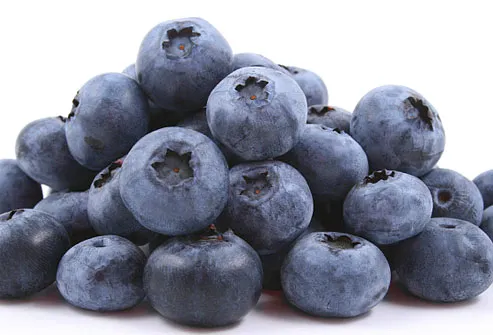 Blueberries Are Super Nutritious
Research in animals shows that blueberries may help protect the brain from the damage caused by free radicals and may reduce the effects of age-related conditions such as Alzheimer's disease or dementia. Studies also show that diets rich in blueberries improved both the learning and muscle function of aging rats, making them mentally equal to much younger rats.
Benefits of a Healthy Diet
It may sound trite but it's true: If your diet lacks essential nutrients, it can hurt your ability to concentrate. Eating too much or too little can also interfere with your focus. A heavy meal may make you feel tired, while too few calories can result in distracting hunger pangs.
Benefit your brain: Strive for a well-balanced diet full of a wide variety of healthy foods.
Vitamins, Minerals, and Supplements?
Store shelves groan with supplements claiming to boost health. Although many of the reports on the brain-boosting power of supplements like vitamins B, C, E, beta-carotene, and magnesium are promising, a supplement is only useful to people whose diets are lacking in that specific nutrient.
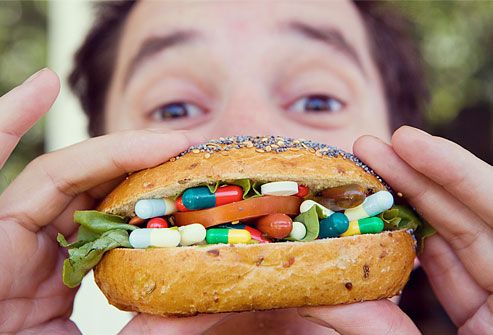
Some researchers are cautiously optimistic about ginseng, ginkgo, and vitamin, mineral, and herb combinations and their impact on the brain, but more proof is still needed.
Check with your doctor.
Get Ready for a Big Day
Want to power up your ability to concentrate? Start with a meal of 100% fruit juice, a whole-grain bagel with salmon, and a cup of coffee. In addition to eating a well-balanced meal, experts also offer this advice:
- Get a good night's sleep.
- Stay hydrated.
- Exercise to help sharpen thinking.
- Meditate to clear thinking and relax.
Want more healthy recipes, videos and articles like this? Join me to receive 'inspiration in your inbox' - http://tiny.cc/join-me
Article and Images - Source
Article and Images - Source


