Showing posts with label supplements. Show all posts

Saturday, 13 May 2017

Brain Foods That Help You Concentrate

  
Ginseng, Fish, Berries, or Caffeine?

Listen to the buzz about foods and dietary supplements, and you'll believe they can do everything from sharpen focus to enhance memory, attention span, and brain function.

But do they really work? There's no denying that as we age, our body ages right along with us. The good news is that you can improve your chances of maintaining a healthy brain if you add "smart" foods and drinks to your diet.

Caffeine Can Make You More Alert
There's no magic bullet to boost IQ or make you smarter -- but certain substances, like caffeine, can energize you and help you concentrate. Found in coffee, chocolate, energy drinks, and some medications, caffeine gives you that unmistakable wake-up buzz, though the effects are short-term. And more is often less: Overdo it on caffeine and it can make you jittery and uncomfortable.


Sugar Can Enhance Alertness
Sugar is your brain's preferred fuel source -- not table sugar, but glucose, which your body processes from the sugars and carbs you eat. That's why a glass of something sweet to drink can offer a short-term boost to memory, thinking, and mental ability.

Have too much, though, and memory can be impaired -- along with the rest of you. Go easy on the sugar so it can enhance memory without packing on the pounds.

Eat Breakfast to Fuel Your Brain
Tempted to skip breakfast? Studies have found that eating breakfast may improve short-term memory and attention. Students who eat it tend to perform better than those who don’t. Foods at the top of researchers' brain-fuel list include high-fiber whole grains, dairy, and fruits. Just don't overeat; researchers also found high-calorie breakfasts appear to hinder concentration.
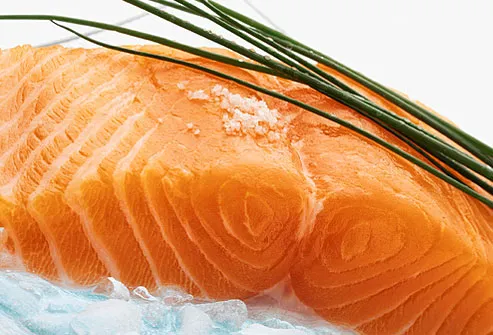


Skinned salmon fillet on crushed ice with chives
Fish Really is Brain Food
A protein source linked to a great brain boost is fish -- rich in omega-3 fatty acids that are key for brain health. These healthy fats have amazing brain power: A diet with higher levels of them has been linked to lower dementia and stroke risks and slower mental decline; plus, they may play a vital role in enhancing memory, especially as we get older.  For brain and heart health, eat two servings of fish weekly.


Add a Daily Dose of Nuts and Chocolate

Bar of chocolate beside pecans
Nuts and seeds are good sources of the antioxidant vitamin E, which has been linked in some studies to less cognitive decline as you age. Dark chocolate also has other powerful antioxidant properties, and it contains natural stimulants like caffeine, which can enhance focus.

Enjoy up to an ounce a day of nuts and dark chocolate to get all the benefits you need with a minimum of excess calories, fat, or sugar.


Add Avocados and Whole Grains
Every organ in the body depends on blood flow, especially the heart and brain. A diet high in whole grains and fruits like avocados can cut the risk of heart disease and lower bad cholesterol. This reduces your risk of plaque buildup and enhances blood flow, offering a simple, tasty way to fire up brain cells.

Whole grains, like popcorn and whole wheat, also contribute dietary fiber and vitamin E. Though avocados have fat, it's the good-for-you, monounsaturated fat that helps with healthy blood flow.
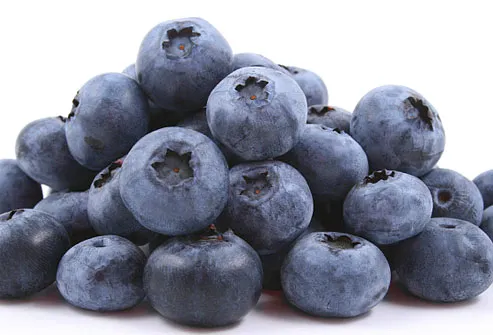
pile of fresh blueberriesBlueberries Are Super Nutritious

Research in animals shows that blueberries may help protect the brain from the damage caused by free radicals and may reduce the effects of age-related conditions such as Alzheimer's disease or dementia. Studies also show that diets rich in blueberries improved both the learning and muscle function of aging rats, making them mentally equal to much younger rats.    

Benefits of a Healthy Diet
It may sound trite but it's true: If your diet lacks essential nutrients, it can hurt your ability to concentrate. Eating too much or too little can also interfere with your focus. A heavy meal may make you feel tired, while too few calories can result in distracting hunger pangs.

Benefit your brain: Strive for a well-balanced diet full of a wide variety of healthy foods.

Vitamins, Minerals, and Supplements?
Store shelves groan with supplements claiming to boost health. Although many of the reports on the brain-boosting power of supplements like vitamins B, C, E, beta-carotene, and magnesium are promising, a supplement is only useful to people whose diets are lacking in that specific nutrient.
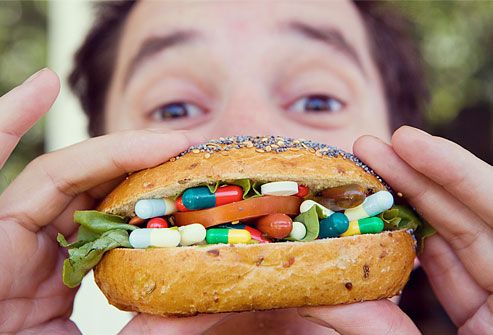
Man eating sandwich of pills and capsules
Some researchers are cautiously optimistic about ginseng, ginkgo, and vitamin, mineral, and herb combinations and their impact on the brain, but more proof is still needed.

Check with your doctor.

Get Ready for a Big Day
Want to power up your ability to concentrate? Start with a meal of 100% fruit juice, a whole-grain bagel with salmon, and a cup of coffee. In addition to eating a well-balanced meal, experts also offer this advice:
  • Get a good night's sleep.
  • Stay hydrated.
  • Exercise to help sharpen thinking.
  • Meditate to clear thinking and relax.
Want more healthy recipes, videos and articles like this? Join me to receive 'inspiration in your inbox' - http://tiny.cc/join-me

Article and Images - Source

Sunday, 2 April 2017

Are These Vitamins and Minerals Missing From Your Diet?

Busy schedules, travel, and impromptu happy hours make it difficult to eat healthy 24/7. Find out how to keep up with these commonly missed nutrients.

Vitamin D


Vitamin D is essential for building strong bones, preventing osteoporosis, promoting heart health, and regulating blood pressure. The sun is the best and easiest way to get your vitamin D. Anywhere from 6 to 15 minutes of sun at a time (without sunscreen, but no more than 15 minutes) will provide enough to last the week (it's fat soluble, meaning it's stored in our fat cells for a longer period). If you're missing out on the sun (aka it's winter), the best food source of vitamin D is dairy—three servings will give you your entire day's worth. If dairy doesn't sit well with you, vitamin D3 supplements can offer the same benefits.


Calcium

According to the 2015–2020 Dietary Guidelines for Americans, calcium is a major nutrient many people lack. It helps develop strong bones and regulate the circulatory and nervous system. Dairy products, fortified juices, and some plant foods (such as soybeans, bok choy, broccoli, and kale) contain calcium. Calcium supplements are also available. Take note: Plant sources of calcium are not as easy for the body to use, meaning you'd need to consume far more calcium via bok choy to get the same health benefits as a glass of milk.


Potassium

Potassium is critical to muscle function, heart function, and blood pressure. Without proper potassium levels, it's difficult to finish a workout due to changes in blood pressure. And your gains will be threatened, as potassium is linked to muscle growth and the breakdown of carbohydrates for energy. Fortunately, this nutrient is readily available from bananas, potatoes, citrus, dairy products, lean protein, soy products, tomatoes, and squash.


Magnesium

Magnesium is a mineral that regulates many biological processes in our body including protein synthesis, muscle and nerve function, blood glucose control, and energy production. If you're lacking, you might be irritable, have irregular heartbeats, or experience muscle weakness. Magnesium is stored in bones and soft tissues, but a diet high in fat can decrease our body's magnesium absorption. Skip the double cheeseburger and fries and try consuming green leafy vegetables, nuts, beans, and cereals to maximize the benefits that magnesium provides.


Iron

Iron deficiency, or anemia, makes our bodies struggle to carry oxygen through the body via red blood cells. Anemia can cause fatigue, weakness, and an overall decrease in physical performance. Often, menstruation can be a culprit in women. So to keep up your iron levels at that time of the month, or anytime, the most digestible form of iron ("heme iron") is found in red meat. If you're vegetarian, you can obtain iron from foods like cereal, beans, and some vegetables. An iron supplement can help as well, since vegetable forms of iron are harder to digest.


Zinc

For proper growth, muscle repair, immune function, and energy production, zinc is your go-to mineral. Key foods to eat include peanuts, legumes, beef, pork, and shellfish. A lack of zinc can affect your metabolic rate (important for burning calories) and protein use. Be careful not to go overboard: Too much zinc can decrease the absorption of other vitamins and minerals while decreasing the amount of good cholesterol, HDL, in your body.

Folic Acid

B vitamins are important for energy. Folic acid, also known as B9, is no exception. The need for folic acid increases from prolonged diarrhea, fever, stress, alcoholism, or pregnancy—a deficit can lead to birth defects or anemia. For optimal levels, consume meats, green leafy vegetables, potatoes, cereals, and fruit.


Vitamin A

Vitamin A, as we know, is a key nutrient for vision. It comes in two forms: retinoids (found in animal products such as eggs, kidney, and liver) and carotenoids (found in yellow/orange fruits and vegetables like carrots and squash). Even though vitamin A is a fat-soluble vitamin and tends to stay in your body for longer, not getting enough can cause dry eyes, dry skin, or even night blindness.


Wednesday, 8 March 2017

5 Ways To Boost Your Immunity

At this time of year when the weather is starting to turn (warmer, dare i say it), we need to ensure we are supporting our immune system to help fend off any unwanted bugs or germs. Read on for some expert advice...

Eat Well

The best way to increase immunity is to make sure your diet is full of fresh fruit, vegetables and other nutrient-dense foods. An 80g serving of cherries, for example, is packed with vitamin C, as well as natural antioxidant and anti-inflammatory compounds, which help fight infection, says state registered dietitian, Helen Bond. Seafood’s are full of protein needed to make infection-fighting white blood cells to help crowd out viruses. They also contain zinc, which may help shorten the duration of colds. Garlic, chicken soup, live yoghurt and mushrooms are all good, too, adds Helen.

Get Moving

Tempting though it is, don¹t sink into couch potato mode.
Get outside and make the most of the better weather. Regular exercise helps to increase the number of immune cells in your bloodstream says US research. Try to do something - a brisk walk, some gardening or a gym session for at least half an hour most days. Trainer Dan Roberts agrees, but warns it's all a question of balance; you need enough exercise to help boost circulation to get blood and nutrients to your immune cells but not so much that you dent your immunity... if you're feeling under the weather don¹t overdo it. Relaxation techniques, such as yoga can help boost immunity, too.

Take It Easy

When you are stressed and run down, you are twice as likely to develop symptoms when exposed to a common cold virus, says GP and medical nutritionist Dr Sarah Brewer. This is thought to be a result of high levels of stress hormones and depleted adrenal glands that interfere with immune function.

Cover Up

The virus particles of both the common cold and the flu are spread from person to person; they may then enter a nearby person's body through the eyes, nose or mouth, says GP Dr Roger Henderson. In addition to avoiding people with a cold or the flu, it's important for us all to wash our hands regularly throughout the day and to avoid touching your face after touching surfaces.

Herbal Help

Echinacea is a herbal favourite for warding off winter nasties, says nutritionist Robert Hobson. A study carried out at the Common Cold research Centre at Cardiff University showed that taking it for four months may reduce the risk of catching a cold and lessen its severity if you do catch one.    

Supplements can also assist with boosting immunity. Healthspan's Vitamin C Sustained Release Tablets provide support for the immune system. Vitamin C is an essential vitamin however the body does not store Vitamin C, so a regular daily intake is required. Each 500mg (625% NRV) tablet is made using a special process that ‘meshes’ the vitamin with a plant cellulose so that it breaks down gradually to release vitamin C. Zinc is also included as it contributes to the normal function of the immune system

Article source 
   

Thursday, 23 February 2017

Antioxidants - An Overview (featuring a Q&A with a Nutritionist)

What are antioxidants?

Antioxidants protect the body from damage caused by harmful molecules called free radicals. Many experts believe this damage is a factor in the development of blood vessel disease (atherosclerosis), cancer, and other conditions.

You are exposed to free radicals:
  • Through by-products of normal processes that take place in your body (such as the burning of sugars for energy and the release of digestive enzymes to break down food).
  • When the body breaks down certain medicines.
  • Through pollutants.
Antioxidants include some vitamins (such as vitamins C and E), some minerals (such as selenium), and flavonoids, which are found in plants. The best sources of antioxidants are fruits and vegetables. You can find flavonoids in fruits, red wine, and teas. You can also buy antioxidant supplements. It is best to obtain antioxidants from a healthy diet.

What are antioxidants used for?

Antioxidants may play a role in the management or prevention of some medical conditions, such as some cancers, macular degeneration, Alzheimer's disease, and some arthritis-related conditions.

Are antioxidants safe?

Until more studies are done, it is best to get your antioxidants from a diet rich in fruits and vegetables rather than from supplements. Taking supplements in high doses can be harmful. No single antioxidant alone can protect the body. Most people should eat 7 to 10 servings of fruits and vegetables each day.
The U.S. Food and Drug Administration (FDA) does not regulate dietary supplements in the same way it regulates medicines. A dietary supplement can be sold with limited or no research on how well it works.
Always tell your doctor if you are using a dietary supplement or if you are thinking about combining a dietary supplement with your conventional medical treatment. It may not be safe to forgo your conventional medical treatment and rely only on a dietary supplement. This is especially important for women who are pregnant or breastfeeding.

All About Antioxidants: Ask the Nutritionist

WebMD Chief Medical Editor, Michael Smith, MD, answers your questions about antioxidants and nutrition.

Question:
What are free radicals? What kind of damage can they do to your body?
Answer:
"Free radicals" are unstable atoms, or molecules, in your body. They are missing important components that would make them more stable. So they rob other cells of those components to meet their needs. This causes injury to previously healthy cells. Over time, this damage can lead to diseases such as cancer, heart disease, or Alzheimer’s disease.
Your body produces free radicals through its normal processes. Your body also contains antioxidant molecules, which deactivate harmful free radicals. But things like cigarette smoking, pollution, and excessive alcohol consumption can create so many free radicals that your body has a hard time defusing them on its own.
Question:
In terms of antioxidants, what makes something a "super food"?
Answer:
The term "super food" is not an official designation. It's commonly used to describe foods that may help prevent or even treat certain medical conditions. Any food that is packed with healthy nutrients can be considered a super food. Examples include blueberries with healthy antioxidants, salmon that contains omega-3 fatty acids, beans that provide you fiber, and milk as one of the best sources of calcium.
Question:
I am a 30-year-old woman. Right now, I take 400mg daily of vitamin E for my skin. Is this dosage too high for a woman my age?
Answer:
The upper limit for vitamin E in an adult is 1000 mg a day. This means more than that could increase the chance of side effects. You’re well under that amount.
Question:
Could taking a 750 mg tablet of L-Carnitine every day have any negative effects on my health?
Answer:
Medical studies on L-Carnitine have used doses higher than that on their subjects, so you should be just fine. However, side effects are always possible. These include nausea, vomiting, stomach cramps, heartburn, and diarrhea.
Question:
What is the best type of calcium supplement for women to take?
Answer:
There are two main types of calcium in supplements. Both work just fine. You may hear that calcium carbonate has more “elemental calcium” than calcium citrate. But all you need to pay attention to is the amount of calcium on the supplement's label.
You should take calcium carbonate with food. You can take calcium citrate with or without food. If you have constipation from calcium supplements, opting for calcium citrate may help, as it’s less likely to cause stomach problems.
Don’t take more than 500 mg of calcium at one time because your body can’t effectively absorb more than that. For example, if your doctor told you to take 1000 mg a day, take 500 mg in the morning and 500 mg at night.
Question:
Is there a correlation between taking multivitamins and experiencing an improvement in your sense of smell and taste?
Answer:
Multivitamins have many nutritional benefits. But there is no medical evidence to suggest that taking them can help improve your sense of smell or taste.
Question:
What are OPC antioxidants? How are they beneficial to my health?
Answer:
OPCs, short for "oligomeric proanthocyanidins", are in the flavonoid class. Flavonoids are antioxidants found naturally in plants. They help make blueberries blue, cherries red, and blackberries black.
Some studies show that OPCs can help keep your heart healthy. If you see a black food, it’s likely to be a good source of OPCs; black sesame seeds, black beans, black rice, or black quinoa for example. (Not all black foods have OPCs, like black pasta that gets its color from squid ink.) Grape seed extract, often sold in supplement form, is also rich in OPCs.
Question:
Can genistein supplements really help relieve my hot flashes and other menopause symptoms?
Answer:
Possibly. Some research suggests that genistein may help relieve hot flashes and other menopause symptoms, such as mood changes and anxiety. Other studies found no benefit. Genistein can interact with certain medicines, so check with your doctor or pharmacist before trying it.
Question:
Is it necessary to focus on consuming antioxidants when my body already makes them? If so, why?
Answer:
Absolutely! Antioxidants help neutralize free radicals in your body that can damage your cells and lead to disease. Your body creates its own antioxidants. But most people are exposed to elements in the environment that increase free radical production. This is why maintaining a diet rich in antioxidants is beneficial. Plus, foods that are rich in antioxidants -- fruits and vegetables -- have many other health benefits.
Question:
I'm a 52-year-old man. How much red wine should I drink a day to benefit from the antioxidants it contains?
Answer:
I don't recommend drinking red wine for the purpose of getting antioxidants. There are other ways to pack your diet with antioxidants, like with fruit and vegetables. However, red wine can be part of your antioxidant plan. As a man, you should limit your wine intake to no more than two 5 oz. glasses a day. Drinking more than that could offset any health benefits and actually increase your risk for certain diseases.
Red wine has been linked to a lower risk of heart disease and some cancers. It is rich in an antioxidant called resveratrol, which is also found in red grapes, grape juice, peanuts, and mulberries.
Question:
What's the best way to cook vegetables so that they retain the healthy vitamins I need?
Answer:
Steaming your vegetables is the best way to preserve the nutrients in them. Limiting the amount of time you cook them also helps. This is true for boiling as well, since more nutrients can leach out into the water. It's nice to know that with soups and stews, this doesn’t matter. You’ll consume the nutrients in whatever broth or liquid you've cook those veggies in.
Question:
Are gummy vitamins as healthy as other kinds of vitamins?
Answer:
Gummy vitamins are just as nutritious as regular vitamins. The amount of vitamins and minerals listed on the label is more important than the form they actually come in.
Even though gummy vitamins may be tasty, don't take more than recommended. You can take too many vitamins. Also, gummy vitamins often stick to your teeth. So if your gummies are not sugar free, this could cause tooth decay and enamel erosion.
Question:
I am 32 years old and going through menopause. I also have osteoporosis. What kinds of vitamins should I be taking?
Answer:
Make sure you’re getting plenty of calcium and vitamin D. These nutrients are critical for maintaining strong bones, especially since you’re apparently going through menopause at a young age.
Aim for 1000 mg of calcium a day. The best sources are dairy, such as low-fat or fat-free milk and yogurt. Soy milk and almond milk are also great sources. If you don't think you’re getting enough calcium, add a calcium supplement to your daily routine.
Vitamin D can be tough to get from your diet, but it is critical for calcium absorption. You need 600 IUs of vitamin D a day. The best sources are fatty fish, such as salmon and tuna. Milk and orange juice are often fortified with vitamin D. If you don’t think you’re getting enough, include a supplement. You can often find calcium and vitamin D combined in one supplement.
Question:
I accidentally doubled up on my multivitamin and prenatal vitamins. Now I'm not feeling well. Should I be concerned?
Answer:
Taking too many vitamins at once can sometimes cause an upset stomach. But doubling up on your vitamins for just one day won’t be a problem. Your body will quickly get rid of the excess. Some vitamins can build up in the body, but that won't happen from taking double the amount on just one occasion.
Question:
Should I jump into a strictly vegan diet from the typical American diet, or should I transition gradually? Will my body know how to adapt immediately?
Answer:
Your body will adjust. There are no risks with becoming vegan overnight.
It can be tougher to get certain nutrients when you are vegan, such as protein, iron, and calcium. Also, make sure to get plenty of vitamin B12, since that generally comes from animal products. Some soy-based beverages, breakfast cereals, and veggie “meats” are often fortified with B12.
Article Source 

Saturday, 28 January 2017

8 Digestive Health Supplements


I'm a big believer in sorting out your gut health to ensure the body and mind can function efficiently. The below 'supplements' are used to aid gut health. 


Probiotics: Friendly Bacteria
Probiotics contain living organisms -- mainly bacteria and one type of yeast. These resemble good bacteria in the gut that help with digestion. The supplements are used to treat certain GI problems and for general digestive health. Some types of probiotics may provide relief from diarrhea and may also relieve symptoms of irritable bowel syndrome (IBS). Consider adding them to malted milk or yogurt.

DGL (Licorice): Cooling Heartburn
Licorice has long been used to treat symptoms of indigestion like heartburn and acid reflux. These uses aren't backed by scientific evidence, though. In its unpurified form, licorice can also have side effects, including contributing to high blood pressure in some people. DGL is a specific extract of licorice with a certain chemical removed, and it doesn't seem to have as many side effects. Still, pregnant women should not take DGL -- or any other supplement -- without consulting their doctor.    

Peppermint Oil: To Ease IBS
While the jury's still out, several studies suggest that peppermint oil may lessen pain and bloating that comes with IBS. Enteric-coated capsules of it don't dissolve in the stomach. They pass through to the small and large intestines, where the oil is released. In small doses, peppermint oil appears to be safe.

Chamomile: More Than a Soothing Tea
Chamomile is widely used for multiple ailments. Naturalists have tried chamomile in an effort to treat digestive problems such as upset stomach, colic, and nausea, as well as anxiety and insomnia. People with some plant allergies like ragweed, though, could possibly have an allergic reaction to chamomile. Always discuss your use of any supplement with your doctor.

Ginger: Comfort for the Stomach
Asian medicine uses ginger to treat stomachaches. In the West, ginger is used to relieve nausea and vomiting during pregnancy. Ginger is available as a powder, in capsules or tablets, or as freshly cut root. It's generally considered safe when taken in small doses -- 1 to 2 grams per day.

L-Glutamine: The Intestinal Helper
Glutamine is found naturally in your body; it supports the intestines and other organs. Some experts believe that the supplement L-glutamine may help relieve diarrhea induced by surgery, infections, or stress. It may help some people better absorb nutrients. That includes people with too much unfriendly bacteria in their digestive tracts, people who are taking cancer drugs, and people who've had part of their intestines removed. But more research is needed.

Psyllium: Fiber for Constipation
Psyllium is used as an ingredient in bulk laxatives. Because of its high fiber content, it's able to absorb water in the intestines. That makes the stool bulky and easier to pass. It's important when treating constipation to drink plenty of fluids. This helps you avoid dehydration or a worse case of constipation. People allergic to English plantain pollen, grass pollen, or melon could have a serious allergic reaction when taking psyllium. 


Artichoke: Relief of Stomach Upset
Artichoke leaf extract may relieve symptoms of indigestion. When used daily, the extract seems to lessen nausea, vomiting, gas, and abdominal pain. It also might help treat IBS and reduce cramps and abdominal pain. The extract has no known interactions with drugs. But it can cause allergic reactions in people who are allergic to ragweed and related pollens.

Check With Your Doctor First
Dietary supplements are not strictly regulated by the FDA. That means there is no guarantee of their quality, effectiveness, or safety. It's important to always read the labels. It's also important to talk with your doctor before starting any new supplement. That's especially true if you're pregnant, have an existing medical condition, or are taking other drugs, herbs, or supplements.

Article & Images: Source

Wednesday, 25 January 2017

An Alphabetic Guide to SUPERFOODS - Bee Pollen

Superfoods are nature's gift, they're vibrant, nutritionally dense foods that offer us tremendous dietary and healing potential.

Supercharge your health with BEE POLLEN.

As of today more and more people are using bee pollen supplements to help them improve their health. Bee Pollen supplements are not only natural, but they have a host of health benefits. From fatigue to strengthening the immune system, it's an overall great energy booster as well. 

    Bee pollen supplements and bee by-products are not new. These substances have been used by Ancient Civilizations for centuries before modern medicine ever existed. There even exists a type of bee shamanism (religion) that worships the healing and rejuvenating qualities of the bee by-products.

Here is a list of some of the benefits of pollen:

Image result for bee pollen
• Boosting the immune system so you don't get sick as often

• Increases your metabolism so you can burn fat and lose weight

• A great antioxidant to help cleanse your body of toxins

• Helps prostate problems, relieving you of pain

• Helps with insomnia and regulating blood pressure

and so much more...

There is simply no way you can ignore this healthy natural supplement!

The question is:

How and where can you buy high quality pollen supplements and start feeling more energized and alive?

To answer this question, we need to know what makes a high quality pollen supplement.

Buy Bee Pollen Supplements That Are Sourced From Pollution Free Locations

When you are looking for a potential brand of pollen, make sure you know where the pollen was sourced from. The source of pollen is extremely important in determining the quality of pollen.

Pollen that is sourced from high pollution areas like high industrialized countries like USA and China, contain many toxins and won't have the health benefits that you are seeking. Sometimes, low quality pollen can actually make you sick.

Sometimes companies in USA would stick on a label saying that their pollen is organic. But that doesn't mean much really. You think that if you're getting something that is organic it would be a healthy product.

But did you know that FDA requirements for labeling anything "organic" is anything that is home grown up to about 30 % percent? Hardly organic right?

In addition, some companies source their pollen from China. China is probably the worst place that you can get your pollen sourced from. China doesn't have any strict regulations when it comes to their air pollution, and because they are a growing economy, more and more factories are being built in the country. This contributes to the overall air pollution of the country.

Do you remember the smog that covered Beijing Olympics before the games even started? Not only that, Chinese companies have been known to not have the highest quality of products. Recently, large number of toys made for Mattel had to be recalled because the Chinese suppliers' toys had an alarming number of lead contamination.

Bee pollen sourced from countries like New Zealand is much better. New Zealand is a country that has strict standards and policies regarding their environment. Also New Zealand is an Island that is separated from most of the world. The Antarctica wind blows across New Zealand. The company that I buy my pollen from also gathers their pollen near a National Park.

Buy Pollen From a Reputable Company You Can Trust

As you can probably tell, buying pollen is not as simple as you may have thought. This makes buying pollen from a reputable company even more important. A reputable company is a company that will answer all of your questions.

Be wary of websites that sell pollen without any information about the company. Make sure you can find a physical address of the company and a telephone number.

Before you even think about buying the supplement, you should call the company and ask them about their refund policy.

Any reputable company selling pollen will have a no-questions-asked money back guaranteed. Some companies have a 30-day money back guarantee, I've found a company that has a 6 month guarantee.

If a company doesn't have a money-back guarantee, DO NOT BUY from them. Either their pollen is of low quality or worse it's full of toxins.

Your health is more important than saving a few bucks.

Buy Freeze-Dried Bee Pollen Capsules For Convenience

Some people say that buying fresh pollen granules from local farms is the best way to get pollen. This may be true, but fresh pollen granules from local farms have some issues. First granules must be consumed and used as soon as possible. Because pollen granules are a natural food, it goes bad just like any other food. Granules must be refrigerated once bought, and should be used within a couple of weeks.

Granules also may not be the best way to digest this wonderful supplement. Granules nutrients may be absorbed by the throat lining, which is not ideal to get the full benefits of pollen. Some people have overcome this problem by soaking pollen in water overnight to let the nutrients seep out of the granules. This is a good idea, but make sure to drink the water too.

One minor disadvantage of granules is that fact that it taste like dirt. I've personally tried to mix them with smoothies and shakes, but the taste of dirt doesn't really go away. Try to avoid cooking granules with hot food, as the heat destroys most of the nutrients in pollen.


If you don't want the hassle associated with granules, then bee pollen capsules are an effective convenient solution. Pollen capsules are similar to antibiotics, as all pollen is air tight and sealed into capsules. The capsule is great because you will only digest it in your stomach. This will ensure that you get most of all the nutrients that pollen has to offer.

Make sure you actually buy pollen capsules that are freeze-dried. This means that the company that harvests the pollen freeze-dries their pollen at the source. This ensures that the pollen nutrients are retained from collection to processing at the manufacturing plant.

Some companies heat-dry their pollen that at the source because it helps preserve the pollen for longer periods of time. They then take this pollen and compress it into small pollen tablets. These tablets have a very long shelf life. However, the major disadvantage is that it eliminates about half of the nutrients in pollen.


Because of this, always make sure you get freeze-dried pollen to ensure that you get the full energy inducing benefits of pollen.


Article Source